The Smart Thermostat: Precision Climate Control
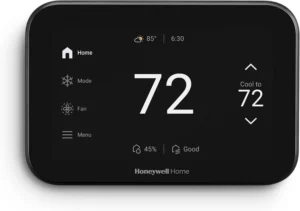
The humble thermostat has evolved from a simple dial to a sophisticated command center for home heating and cooling, which accounts for nearly half of a typical home’s energy bill. Modern smart thermostats like the Nest Learning Thermostat or Ecobee SmartThermostat leverage sensors, machine learning, and geofencing to create significant savings. These devices learn your schedule and temperature preferences, automatically adjusting when you are asleep or away. Their true power lies in eliminating energy waste—turning down the heat 7-10 degrees for eight hours a day can save About 10% annually. Remote control via smartphone apps prevents heating or cooling an empty home, while detailed energy reports provide insights into consumption patterns. Advanced models use room sensors to prioritize occupied spaces, ensuring comfort without conditioning the entire house. With potential savings of 10-15% on heating and cooling, the smart thermostat stands as a foundational champion of home energy efficiency.
Intelligent Lighting Systems: Illumination Without Waste
Lighting constitutes roughly 15% of a home’s electricity use, an area ripe for smart optimization. Smart LED bulbs and lighting systems, such as those from Philips Hue or LIFX, consume up to 90% less energy than incandescent bulbs and last 25 times longer. Their efficiency extends beyond hardware; smart scheduling ensures lights are only on when needed, automatically turning off at sunrise or when geofencing detects everyone has left. Motion sensors in smart switches or bulbs eliminate the “forgotten light” in closets, pantries, and hallways. Dimmability allows for using only the necessary light level, further reducing wattage. Integration with other smart systems enables “scenes”—like a “Goodnight” command that turns off all lights, alongside the TV and thermostat. For outdoor lighting, solar-powered smart path lights with dusk-to-dawn sensors provide security and ambiance with zero grid consumption. The transition from manual, forgetful usage to automated, intentional illumination delivers direct and measurable cuts to electricity costs.
Advanced Power Strips: Slaying Phantom Loads
Phantom loads, or “vampire power,” refer to the energy devices consume when switched off but still plugged in, accounting for up to 10% of residential energy use. Advanced Power Strips (APS) are a simple yet profoundly effective gadget to combat this waste. Unlike basic strips, APS contain circuitry that intelligently controls outlet clusters. A common configuration features one “control” outlet (for a TV or computer) and several “controlled” outlets (for peripherals like game consoles, soundbars, and chargers). When the main device is turned off, the APS cuts power to all associated devices, eliminating their standby draw. Other models use timers or motion sensors. For home offices and entertainment centers, where numerous devices create a web of phantom loads, an APS can prevent hundreds of kilowatt-hours of waste annually. This champion operates silently in the background, ensuring that off truly means zero power, translating to automatic savings on every electricity bill.
Smart Plugs: The Gateway to Appliance Intelligence
Smart plugs are the most accessible entry point into home energy automation, retrofitting any standard outlet with remote control, scheduling, and monitoring capabilities. Their utility in slashing costs is multifaceted. They can transform a simple space heater or window AC unit into a scheduled device, running only during off-peak hours or before waking. A smart plug on a coffee maker can schedule its operation for 6:55 AM, avoiding a 24-hour standby mode. More advanced models with energy monitoring, like the TP-Link Kasa Smart Plug, provide real-time and historical power consumption data for any plugged-in device. This visibility is revolutionary; users can identify energy-hungry appliances, measure the exact cost of running a dehumidifier, or verify the efficiency of a new refrigerator. By allowing precise scheduling and providing consumption awareness, smart plugs empower users to make targeted, informed decisions that collectively reduce overall household demand.
Home Energy Monitors: Real-Time Feedback for Behavioral Change
Knowledge is power, and home energy monitors provide the detailed knowledge necessary for meaningful conservation. Devices like the Sense Energy Monitor or Emporia Vue install directly into a home’s electrical panel, using sophisticated algorithms and current sensors to track whole-home electricity use in real time. They disaggregate consumption, identifying individual appliances—”Your dryer used 3.2 kWh for this cycle”—and displaying data on an intuitive app. This immediate feedback creates a powerful psychological incentive for conservation, often leading to a 5-15% reduction in usage simply by making energy visible. Users can pinpoint malfunctions (like a failing refrigerator compressor running constantly), verify the impact of efficiency upgrades, and set alerts for unusual usage. By transforming the abstract concept of kilowatt-hours into tangible, device-specific costs, these monitors turn residents into active participants in energy management, fostering habits that permanently lower utility bills.
Smart Irrigation Controllers: Water as Energy
Water heating is a major energy expense, and the pumping and treatment of water itself requires vast energy. Smart irrigation controllers, such as Rachio or Orbit B-hyve, address this interconnected waste. They connect to local weather forecasts and soil moisture sensors, automatically skipping scheduled watering cycles before or after rainfall and adjusting runtime based on seasonal evapotranspiration rates. This prevents overwatering, which can waste thousands of gallons annually. The savings are twofold: direct reductions in water bills and significant indirect energy savings from avoided water heating and municipal water processing. For homes using well water, reduced pumping directly cuts electricity use. By applying data-driven precision to outdoor watering, these systems can reduce outdoor water use by 30-50%, making them champions for both water and energy conservation, particularly in arid climates.
Heat Pump Water Heaters: A Dual-Mode Efficiency Powerhouse
While not a “gadget” in the traditional sense, modern heat pump water heaters (HPWHs) are intelligent appliances that represent a quantum leap in efficiency. They operate like a refrigerator in reverse, using electricity to move heat from the surrounding air into the water tank instead of generating heat directly. This process makes them 2-3 times more energy-efficient than conventional electric resistance water heaters. Many smart HPWH models, like those from Rheem or AO Smith, feature connected apps that allow for scheduling (heating water during off-peak solar production or lower utility rates), vacation modes, and detailed efficiency tracking. Some can even integrate with smart thermostats to optimize their operation based on home climate. Although the upfront cost is higher, the dramatic reduction in energy use for one of a home’s most energy-intensive appliances delivers substantial long-term savings and qualifies for significant rebates.
Smart Window Treatments: Automated Insulation
Windows are critical weak points in a home’s thermal envelope. Smart blinds and shades, like those from Lutron Serena or IKEA’s FYRTUR, provide dynamic insulation. They can be programmed to open and close on schedules aligned with the sun’s path: closing during the hottest part of a summer day to block solar heat gain (reducing AC load) and opening on sunny winter days to allow passive solar heating. Integration with smart home systems enables climate-responsive automation; a smart thermostat can signal the blinds to close when the AC turns on. This reduces the strain on HVAC systems, leading to direct energy savings. For homes with large windows, the effect is pronounced, potentially cutting heating and cooling costs by 7-12%. By actively managing solar radiation, smart window treatments complement HVAC systems, allowing them to work less to maintain comfort.
Energy-Efficient Smart Appliances: The Connected Kitchen and Laundry
The next generation of major appliances—refrigerators, dishwashers, washing machines, and dryers—are embedding smart connectivity into highly efficient designs. An ENERGY STAR certified smart dishwasher, for example, can run during off-peak energy hours, send alerts when a filter needs cleaning (which maintains efficiency), and use sensors to determine the optimal water temperature and cycle length. Smart refrigerators can monitor door seals and compressor health, alerting users to issues that increase energy consumption. Heat pump dryers, which are far more efficient than vented models, can use connectivity to run at the most economical times. These appliances move beyond simple remote control; they use data and automation to optimize their own performance for minimal energy use, leveraging utility demand-response programs to earn credits for operating during grid-friendly times. Their intelligence is woven directly into their core function of resource conservation.
The Integrating Hub: Whole-Home Synergy
The ultimate efficiency gain is realized when these champions work in concert, orchestrated by a smart home hub or platform like Apple HomeKit, Google Home, or Samsung SmartThings. This ecosystem approach creates synergistic energy savings. A “Good Morning” scene can adjust the thermostat, raise the smart blinds to welcome sunlight, and turn off all non-essential lights and plugs. A “Leave Home” routine can set the thermostat to an eco-mode, turn off all lights, activate security cameras (which may be energy-efficient models themselves), and power down entertainment system vampire loads via an APS. Motion sensors can trigger efficient LED pathway lighting only when needed. This integrated automation ensures the home operates as a cohesive, efficient system, eliminating human error and forgetfulness. The whole becomes greater than the sum of its parts, driving utility costs down through seamless, intelligent management of the home’s energy footprint.