
cropped jegecfav 1772311503 8717
The Illusion of the Price Tag: Beyond Initial Cost
The immediate reaction to a smart thermostat’s $250 price or a robotic vacuum’s $800 premium is often skepticism. This upfront cost is the most visible, tangible financial outlay, and it creates a significant mental barrier. Traditional, “dumb” alternatives are undeniably cheaper at the point of purchase. A basic programmable thermostat costs a fraction of a Nest or Ecobee. A standard mop and bucket are a one-time, minimal investment. The financial calculation seems simple, but it is dangerously incomplete. It ignores the core value proposition of smart technology: automated optimization and data-driven control over recurring expenses. The true financial analysis begins after unboxing, focusing on the continuous, often invisible, streams of waste that these devices are designed to dam.
Quantifying the Savings: Energy, Water, and Consumption
The most direct and calculable savings from Smart Gadgets come from reduced utility consumption. Smart thermostats are the flagship example. By learning schedules, employing geofencing to adjust temperatures when occupants are away, and making micro-adjustments for weather, they directly attack heating and cooling costs—typically 40-50% of an average home’s energy bill. Studies by manufacturers and independent bodies like the EPA (Energy Star) suggest savings of 10-12% on heating and 15% on cooling, translating to an average of $130-$180 saved annually. For a household in a region with extreme temperatures, this figure can be much higher, allowing the device to pay for itself in under two years, after which it generates pure savings.
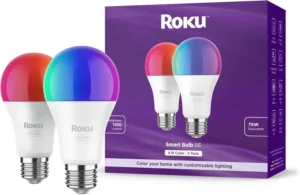
Smart lighting, often dismissed as a luxury, offers surprising efficiency. While LED bulbs are the primary fuel-saver, smart systems add a layer of behavioral optimization. Motion sensors ensure lights are never left on in empty rooms. Scheduling aligns illumination precisely with need, eliminating the “all-night porch light” waste. Integration with natural light sensors can dim artificial light when sunlight is sufficient. The aggregate effect can reduce lighting electricity use—which accounts for About 15% of a home’s consumption—by 30-50%, saving $50-$100 yearly. Smart irrigation controllers analyze hyper-local weather data, soil moisture, and plant types to override scheduled watering before or after rain. This can reduce outdoor water use by 30-50%, a critical saving in arid regions where water is expensive and scarce.
The Preventative Economy: Avoiding Costly Disasters
A less obvious but potentially monumental financial benefit lies in leak detection and preventative maintenance. Smart water shut-off valves and moisture sensors act as 24/7 sentinels. A burst washing machine hose or a failing water heater can cause tens of thousands of dollars in structural damage, not to mention ruined personal property. A $50 smart sensor that triggers an automatic valve shut-off ($300-$500) can prevent a $15,000 insurance claim. While homeowners insurance may cover the damage, the deductible, potential premium increases, and immense personal hassle represent a significant financial blow. These devices provide a form of low-cost, high-return insurance.
Similarly, smart plugs with energy monitoring can detect “phantom loads” or appliances that are drawing unusual, excessive power—a sign of impending failure. Identifying a failing refrigerator compressor or an old freezer working overtime allows for planned, budgeted replacement rather than an emergency purchase of the most readily available (and often overpriced) model, coupled with the cost of spoiled food.
Time, Convenience, and Opportunity Cost
The adage “time is money” finds concrete expression with smart home gadgets. The 15 minutes daily spent adjusting thermostats, turning off lights, or vacuuming may seem trivial, but it aggregates to over 90 hours per year. A robotic vacuum that cleans daily maintains a consistently cleaner home, potentially extending the life of carpets and reducing professional cleaning frequency. Smart kitchen appliances, like precision cookers or connected ovens, can reduce food waste by ensuring perfect results and allowing remote monitoring, preventing burned meals that become literal money down the drain. This reclaimed time can be redirected towards income-generating activities, family, or leisure—a value that, while subjective, is real.
Furthermore, convenience has a behavioral economic impact. The ease of turning off all lights with a single voice command or verifying a door is locked from bed increases the likelihood of these money-saving actions being consistently taken. It reduces the “friction” of conservation.
The Depreciation Equation: Quality, Longevity, and Ecosystem Lock-In
The long-term value calculation must account for the device’s own lifespan and ongoing costs. A poorly made smart gadget that fails after two years is a net loss. Investing in reputable brands with strong build quality, reliable software support, and clear upgrade paths is crucial. The “ecosystem” choice (Apple HomeKit, Google Home, Amazon Alexa, Matter) also matters. Devices that rely on a proprietary cloud service that could be discontinued become expensive paperweights. Open-standard devices (like those using the Matter protocol) promise longer interoperability and thus, a longer useful life, protecting your investment.
Additionally, many smart devices require a persistent internet connection and draw a small amount of standby power. This “vampire drain” and any potential subscription fees for premium features (like advanced video storage for security cameras) must be subtracted from the gross savings. A device with a $5/month subscription needs to save at least $60 annually just to break even on that fee alone.
Resale Value and Home Equity Enhancement
While not a liquid cash saving, a well-integrated smart home system can enhance property value and appeal. A 2018 study by Consumer Technology Association and the National Association of Realtors found that 40% of realtors believe smart home technology is important to their clients. Features like smart locks, thermostats, security systems, and integrated lighting are increasingly seen as premium, modern amenities. They can make a home more marketable and potentially command a higher sale price, offering a return on investment upon the sale of the property. The key is integration and reliability; a jumble of disparate, incompatible gadgets may have the opposite effect.
The Intangible Dividend: Informed Consumption and Behavioral Shifts
Perhaps the most profound long-term value is educational. Smart home systems provide unprecedented visibility into consumption patterns. An energy monitor shows the real-time cost of running a space heater. A water usage report highlights a toilet’s silent leak. This data empowers homeowners to make informed decisions beyond automation. It fosters an energy- and resource-conscious mindset, leading to behavioral changes that compound savings. You might decide to replace an old appliance not because it broke, but because the data shows it’s a glaring efficiency drain. This shift from estimated bills to granular, device-level data is a powerful financial management tool.
Calculating Your Break-Even Point: A Practical Framework
To determine if a smart gadget will save you money, follow this framework:
- Identify the Problem Cost: Quantify the current waste. What is your monthly heating/cooling, lighting, or water bill? Use historical data.
- Estimate Percentage Savings: Research realistic, conservative savings estimates for the device (e.g., 8% on HVAC, not the optimistic 20%).
- Calculate Annual Savings: (Annual Cost of Problem) x (Estimated % Savings) = Annual $ Saved.
- Account for Full Cost: Device Price + Installation (if any) + Estimated Annual Subscription Fees = Total Investment.
- Calculate Simple Payback Period: (Total Investment) / (Annual $ Saved) = Years to Break Even.
- Factor in Lifespan & Intangibles: If the payback period is less than half the device’s expected lifespan (e.g., 2 years on a 5+ year device), it’s likely a sound financial investment. Then, add subjective value for convenience, security, and preventative benefits.
For example: A $300 smart thermostat installed in a home with $1,200 annual HVAC costs. A conservative 10% saving yields $120/year. Payback period: 2.5 years. Given a 7-year lifespan, it yields ~$540 in net savings, plus comfort and control.
The Verdict on Value
Smart gadgets are not universally automatic money-savers. They are financial tools whose efficacy depends entirely on context, usage patterns, and selection. A smart thermostat in a small, efficiently-managed apartment may never recoup its cost. The same device in a large, poorly-insulated family home with irregular schedules can be profoundly lucrative. The most significant savings are realized by targeting high-waste areas (HVAC, irrigation, phantom loads) with reliable, well-integrated devices and using the data they provide to become a more informed manager of your household’s resources. Their ultimate value lies in transforming fixed, wasteful expenses into variable, optimized costs, creating a more efficient and financially resilient home environment over the long term. The purchase is not merely for a gadget, but for a system of automated savings and actionable intelligence.