The Intersection of Innovation and Responsibility
The modern home is becoming a symphony of connected devices, from voice-activated assistants and smart thermostats to Wi-Fi-enabled appliances and intelligent lighting. While this proliferation of Smart Gadgets is often celebrated for its convenience and efficiency, a critical question emerges: what is their true impact on the planet? The narrative isn’t binary; smart technology presents both a significant challenge in terms of electronic waste and energy consumption, and a profound opportunity to dramatically reduce our long-term environmental footprint. The key lies in mindful selection, strategic usage, and a commitment to the full lifecycle of the device.
Understanding the Full Lifecycle Impact: From Production to E-Waste
Every smart gadget begins its life with an embodied carbon footprint—the sum of greenhouse gas emissions produced during its extraction of raw materials, manufacturing, packaging, and transportation. A single smartphone, for instance, requires mining for rare earth elements, extensive water usage, and complex global supply chains. This initial cost is substantial. Furthermore, the current model of rapid technological obsolescence, often driven by marketing rather than necessity, fuels a tsunami of electronic waste. E-waste is the world’s fastest-growing domestic waste stream, with millions of tons leaching toxic materials like lead and mercury into landfills annually. Therefore, the first principle of sustainable smart living is to resist unnecessary upgrades and choose durability. Opting for a modular smartphone designed for easy repair, or a laptop from a manufacturer with a strong commitment to repairability and providing long-term software support, directly counters this wasteful cycle.
Energy Intelligence: The Operational Power of Smart Gadgets
Where smart gadgets truly shine in their sustainability potential is in their operational phase, through intelligent energy management. Unlike their “dumb” counterparts, these devices can learn, automate, and optimize, leading to substantial reductions in household energy and water consumption over time.
- Smart Thermostats: Devices like Nest or Ecobee go beyond simple programming. They learn your schedule and preferences, automatically adjusting heating and cooling when you are away or asleep. They can use geofencing to sense when your phone leaves a set radius, turning the HVAC to an eco-mode, and resume comfort just before you return. This dynamic adjustment can reduce HVAC energy use by 10-15% annually, a direct and continuous cut to your carbon footprint.
- Smart Plugs and Power Strips: “Phantom load” or “vampire power”—the energy electronics consume when switched off but still plugged in—can account for up to 10% of a home’s electricity use. Smart plugs allow you to schedule power cuts to entertainment centers, chargers, and coffee makers. Advanced strips can sense when a primary device (like a TV) is turned off and automatically cut power to its peripherals (soundbars, game consoles).
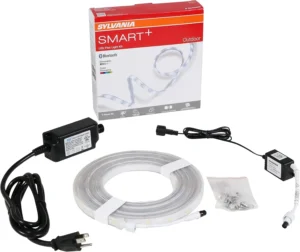
- Smart Lighting: LED bulbs are already highly efficient, but smart lighting systems amplify these savings. They enable precise scheduling, motion sensing to ensure lights are only on in occupied rooms, and ambient light detection to dim or turn off during daylight hours. The ability to control lights remotely also prevents energy waste from lights left on accidentally.
- Smart Irrigation Controllers: These systems connect to local weather data, automatically pausing watering schedules before, during, and after rain. They adjust watering times based on seasonal evapotranspiration rates, ensuring landscapes receive exactly the water they need, reducing outdoor water use by up to 50%.
- Energy Monitoring Systems: Whole-home energy monitors like Sense or Emporia Vue provide real-time, device-level insight into your electricity consumption. This visibility is transformative, allowing you to identify energy-hungry appliances, verify the savings from other smart devices, and change usage behaviors accordingly.
Water Conservation Through Connected Insight
Water scarcity is a critical global issue, and smart gadgets offer powerful tools for conservation.
- Smart Leak Detectors: Placed under sinks, near water heaters, and on main water lines, these sensors provide an immediate alert to the smallest leak via smartphone notification. A minor, undetected leak can waste thousands of gallons annually. Early detection prevents catastrophic water damage and monumental waste.
- Smart Showerheads: These devices provide real-time feedback on water volume and temperature, often with LED indicators. They can be programmed to limit flow after a certain volume or time, encouraging shorter showers without sacrificing experience. Some models even pause flow while you lather.
The Infrastructure and Cloud Consideration
The sustainability of smart homes is partially dependent on the infrastructure that supports them. The data processed by these devices is handled in massive, energy-intensive data centers. However, major cloud providers like Google, Amazon, and Microsoft are aggressively pursuing carbon-neutral or carbon-negative operations by powering data centers with renewable energy. When selecting a smart ecosystem, researching a company’s commitment to renewable energy for its cloud services adds another layer to your sustainable choice. Furthermore, the energy efficiency of your home Wi-Fi router matters; an older, inefficient router running 24/7 can be a silent energy drain.
Building a Sustainable Smart Home: A Practical Framework
- Audit and Prioritize: Begin with an energy audit, either DIY or professional, to identify the biggest sources of waste in your home. Prioritize gadgets that address these areas first—typically heating/cooling, water heating, and phantom load.
- Choose for Longevity and Interoperability: Select devices built to last, with robust security update policies. Prefer gadgets that work on open or widely supported standards like Matter, which ensures compatibility across brands and reduces the risk of devices becoming obsolete due to ecosystem abandonment.
- Optimize Settings for Efficiency: The default settings are often designed for maximum convenience, not efficiency. Diligently configure automation schedules, geofencing, and eco-modes. Regularly review and adjust these settings as your habits change.
- Manage the End of Life Responsibly: When a device truly reaches its end, never dispose of it in regular trash. Use manufacturer take-back programs, certified e-waste recyclers, or donate functional devices. Proper recycling recovers valuable materials and prevents toxic pollution.
- Embrace a “Smart Enough” Philosophy: Not every switch needs to be connected. Apply technology where it yields clear efficiency gains. A smart thermostat is a high-impact device; a smart salt shaker is not. Focus on gadgets that provide actionable data and automated savings.
The Cumulative Effect and Future Trajectory
The power of a sustainable smart home is cumulative and continuous. While the carbon savings from one smart plug are modest, the combined effect of a coordinated system—a learning thermostat, managed plugs, responsive lighting, and leak detection—compounds over months and years into a significant reduction in both your carbon footprint and utility bills. Emerging technologies, such as smart electrical panels that can dynamically shift home energy usage to off-peak times or integrate seamlessly with home battery storage and solar panels, point to a future where homes are not just efficient but actively participate in grid stability and renewable energy optimization.
The journey toward sustainability is not About rejecting technology but about harnessing it with intention. By making informed choices, focusing on energy and resource management, and respecting the full lifecycle of our devices, we can ensure that our smart homes are not only convenient but also conscientious stewards of our planetary resources. The goal is a seamless, automated efficiency that requires less from the individual and the Earth, proving that technological advancement and environmental responsibility can, and must, progress hand in hand.