The Kitchen: The Heart of the Smart Home
The modern kitchen is a hub of activity, and smart technology is transforming it from a place of chore to a center of convenience and efficiency. The first must-have is a Smart Refrigerator. Far more than a food storage unit, models with internal cameras allow you to visually inventory contents from your smartphone while at the grocery store, eliminating the “do we have milk?” guesswork. Advanced models feature touchscreens that can display recipes, sync with calendars, control other smart devices, and even warn you when water filters need replacing or if the door is left ajar.
Complementing the fridge is the Smart Oven. These devices offer precision cooking through app control, allowing you to preheat remotely or monitor internal temperature via a probe. Multi-function models combine convection, steam, and air frying, guided by preset cooking programs for perfect results every time. Voice compatibility means you can start preheating hands-free while your own hands are full of ingredients.
For coffee aficionados, the Smart Coffee Maker is non-negotiable. Schedule your brew to start at 7:00 AM daily, or trigger it with a voice command as you stumble out of bed. Some models integrate with sleep trackers, automatically beginning the brew cycle as you enter light sleep in the morning. Precision control over temperature, brew strength, and even custom recipes via app ensures a barista-level cup without the effort.
Countertop intelligence extends to Smart Scales and Cooking Assistants. Connected scales sync with recipe apps to provide guided cooking, measuring ingredients and automatically progressing to the next step. They provide precise nutritional data for logging. Meanwhile, smart displays like kitchen hubs centralize control, acting as a digital cookbook, video calling station, music controller, and dashboard for all connected kitchen and home devices.
Finally, Smart Dishwashers and Faucets complete the ecosystem. Dishwashers can be run during off-peak energy hours, send cycle completion alerts, and even auto-order detergent when supplies are low. Smart faucets offer touchless activation for hygiene, precise temperature control via voice, and measured water dispensing for recipes, conserving water and adding unparalleled convenience.
The Living Space: Comfort, Entertainment, and Ambiance
The living room is where smart technology shines in creating atmosphere and seamless entertainment. The cornerstone is a Smart TV or Streaming Device. Beyond accessing apps, these platforms integrate with other ecosystems, allowing control of lights or cameras from the on-screen menu. Voice search across multiple streaming services saves time, and automatic content recognition can optimize picture settings for whatever you’re watching.
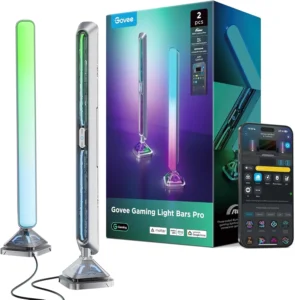
Ambiance is controlled through Smart Lighting. Systems like Philips Hue or Lutron Caséta allow granular control over color temperature and intensity. Create schedules that mimic natural daylight, energizing you in the morning and warming at night to support circadian rhythms. “Goodnight” scenes can turn off all lights with a single command, while geofencing can ensure lights welcome you home after dark.
Climate is managed effortlessly by a Smart Thermostat. Devices like the Nest Learning Thermostat or Ecobee learn your schedule and preferences, automatically adjusting to save energy when you’re away and ensuring comfort upon your return. Room sensors placed in living areas prioritize occupancy, directing heating or cooling to where people actually are, optimizing both comfort and efficiency.
Smart Speakers and Displays act as the vocal command center. Beyond playing music from any streaming service, they provide news updates, set timers, and answer questions. With a video display, they become a digital photo frame, a kitchen TV, and a portal for video calls with a hands-free “drop-in” feature to other rooms in the house.
Robot Vacuums and Mops maintain cleanliness autonomously. High-end models use LiDAR navigation to map your home, allowing for room-specific cleaning schedules, no-go zones, and efficient paths. They self-empty their bins into a docking station, requiring human intervention only every month or so, making daily upkeep a passive task.
The Bedroom: A Sanctuary of Rest and Routine
The smart bedroom is designed for optimal sleep and streamlined mornings. Smart Lighting takes a different role here, with gentle wake-up simulations that gradually increase light intensity before your alarm, mimicking a natural sunrise for a more refreshed feeling. At bedtime, warm, dimmed scenes can be activated to stimulate melatonin production.
The foundation of rest is the Smart Bed or Sleep System. These go far beyond adjustable bases. They feature biometric tracking that monitors heart rate, respiratory rate, and sleep stages without wearables. They can automatically adjust mattress firmness for each partner, provide gentle snore mitigation by slightly elevating the head, and use temperature regulation technology like water-cooled surfaces to maintain the ideal sleeping climate.
Smart Shades and Blinds are critical for light control. Programmed to open and close with the sun, they provide privacy at dusk and wake you with natural light. They blackout the room completely for shift workers or weekend sleep-ins, and their automation enhances home security by simulating occupancy.
Environmental quality is managed by Smart Air Purifiers and Humidifiers. These devices monitor particulate matter, VOCs, and humidity levels, automatically adjusting their output to maintain a healthy bedroom environment. They can be set to a “sleep mode” for ultra-quiet operation and often integrate with allergen forecasts to preemptively clean the air.
The smart alarm clock has evolved. It analyzes sleep data from your wearable or bed to wake you at the optimal point in your sleep cycle within a set window. It can display ambient information like weather, calendar events, and integrate with your smart lights for a coordinated wake-up routine.
Security and Infrastructure: The Unseen Backbone
A robust and secure Wi-Fi Mesh Network is the essential, invisible foundation. Systems like eero, Google Nest Wifi, or Netgear Orbi ensure strong, consistent coverage in every corner, from the kitchen to the backyard, handling dozens of connected devices simultaneously without lag or dropouts.
Smart Security Systems offer comprehensive peace of mind. Doorbell cameras with person detection, package alerts, and two-way talk allow you to secure your front door from anywhere. Indoor/outdoor cameras with activity zones reduce false alerts. Smart locks enable keyless entry, temporary virtual keys for guests, and automatic locking. These devices integrate, so a doorbell press can turn on the porch light and show the camera feed on your TV.
Smart Sensors provide silent vigilance. Leak detectors under sinks and near water heaters send immediate alerts at the first sign of moisture, preventing catastrophic damage. Multipurpose sensors on doors and windows detect openings or unusual vibrations, while motion sensors can trigger lighting scenes or security protocols.
Smart Plugs and Power Strips are the most affordable entry point. They instantly make “dumb” appliances like lamps, fans, or coffee makers controllable via app or voice. They also provide energy monitoring, identifying phantom loads and allowing you to cut power completely to devices, saving electricity and enhancing safety.
Integration and Ecosystem: The True Magic
The ultimate power of a smart home lies not in individual gadgets, but in their seamless integration through platforms like Google Home, Amazon Alexa, or Apple HomeKit. This allows for the creation of Automations and Routines. A “Good Morning” routine can be triggered by your alarm, gradually turning on lights, starting the coffee maker, reading the day’s headlines, and adjusting the thermostat. A “Goodnight” scene can lock all doors, arm the security system, turn off all lights, close the shades, and set the thermostat to an energy-saving sleep temperature—all from a single voice command or tap.
Inter-device communication, or IFTTT (If This, Then That) logic, creates advanced scenarios. For example, a motion sensor in the bathroom at night can trigger a pathway of low-level lights to guide you safely without blinding brightness. A smoke alarm trigger can automatically turn on all lights, unlock the front door for emergency access, and send a critical alert to your phone.
Choosing devices that work within a unified ecosystem reduces app fatigue and ensures reliability. Investing in a solid network backbone, prioritizing security with strong passwords and two-factor authentication, and starting with a single, high-utility device before expanding room-by-room are the keys to a successful, frustration-free connected home that genuinely enhances daily life from the first coffee to the final goodnight.