The Quantified Self: How Smart Gadgets Are Revolutionizing Personal Health Monitoring
The fusion of consumer electronics with advanced biosensing technology has ushered in a new era of proactive health management. Moving beyond simple step counting, today’s smart gadgets offer a comprehensive, data-driven window into our physiology, empowering individuals to monitor wellness with clinical-grade precision and cultivate sustainable better habits through personalized insights and behavioral nudges.
Beyond the Wrist: The Ecosystem of Modern Health Monitoring
While smartwatches and fitness bands remain the most visible category, the landscape of health tech is vast and specialized.
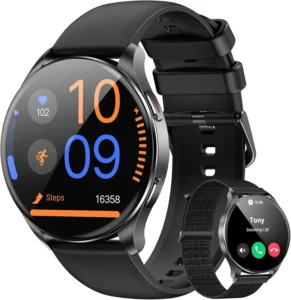
- Advanced Wearables: Modern smartwatches are equipped with photoplethysmography (PPG) sensors that do far more than measure heart rate. Through sophisticated algorithms, they now provide continuous ECG readings to detect signs of atrial fibrillation, monitor blood oxygen saturation (SpO2) for insights into respiratory health and sleep apnea risk, and track skin temperature fluctuations, which can indicate illness onset, stress, or menstrual cycle phases. Newer devices incorporate bioimpedance sensors for estimating body composition metrics like skeletal muscle mass and body water percentage.
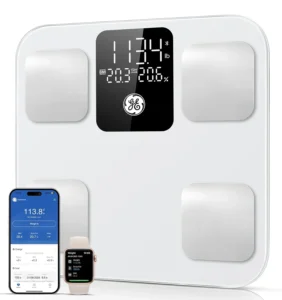
- Dedicated Health Trackers: Specialized devices offer deeper dives. Continuous Glucose Monitors (CGMs), now increasingly accessible to non-diabetics, provide real-time feedback on how diet, sleep, and exercise affect blood sugar levels, revolutionizing nutritional awareness. Smart rings, worn 24/7, excel in sleep staging (tracking light, deep, and REM sleep) and recovery metrics like heart rate variability (HRV) due to their stable position on a finger artery. Smart scales move beyond weight, using bioelectrical impedance analysis to log body fat, muscle mass, bone density, and visceral fat, painting a complete picture of body composition trends.
- Connected Home Health Devices: The home is becoming a diagnostic hub. Smart blood pressure cuffs sync readings to apps, creating long-term logs for managing hypertension. Bluetooth-enabled spirometers help asthma and COPD patients track lung function. Even mirrors now exist with embedded displays and sensors to provide morning briefings on weather, calendar, and—critically—real-time feedback on posture and workout form during guided exercise sessions.
- Smart Medication Management: Gadgets like connected pill dispensers use lights, sounds, and mobile alerts to prevent missed doses. Smart pill bottles track adherence and can automatically reorder prescriptions. For injectable medications, smart caps record the time and dose administered, transmitting data to caregivers or clinicians.
From Data to Action: Promoting Better Habits Through Behavioral Science
The true power of these gadgets lies not in data collection, but in behavioral translation. They employ principles from behavioral economics and psychology to nudge users toward healthier routines.
- Gamification and Micro-Goals: Platforms turn health metrics into engaging challenges, awarding badges for consistency, fostering social competition, and celebrating streaks. The focus shifts from a daunting end goal (e.g., “lose 30 pounds”) to achievable daily micro-goals (“close your stand ring by moving for 5 minutes every hour”).
- Contextual Awareness and Personalized Insights: Advanced devices correlate different data streams. A wearable might notice elevated nighttime heart rate coupled with low HRV and reduced sleep duration, then suggest: “Your recovery score is low. Consider a lighter workout today.” It connects the what (the data) to the so what (the meaning) and the now what (the action).
- Predictive Analytics and Early Warning: By establishing personalized baselines, these tools can detect anomalies. A steady creep in resting heart rate or a drop in HRV can be an early indicator of stress, overtraining, or impending illness, allowing users to preemptively rest, hydrate, or seek care.
- Seamless Integration and Automation: The most effective gadgets minimize friction. A smartwatch that automatically logs a workout, a scale that wirelessly updates your health app, and a sleep tracker that triggers a “wind down” mode on your smart lights create an ecosystem where healthy choices are the default, not a chore.
Critical Considerations: Accuracy, Privacy, and the Human Element
The proliferation of health data demands careful scrutiny.
- Regulatory Status and Accuracy: It is vital to distinguish between wellness devices (general health and fitness) and medical devices (FDA-cleared or approved for diagnosis). While many consumer gadgets are remarkably accurate for trends and awareness, they are not substitutes for professional medical equipment. Understanding a device’s intended use and margin of error is crucial.
- Data Privacy and Security: These gadgets collect deeply personal biometric data. Users must scrutinize privacy policies: Where is data stored? Who owns it? Is it anonymized and aggregated for research? Is it shared with third parties or insurers? Robust encryption and clear, user-controlled data governance are non-negotiable features.
- Avoiding Anxiety and Data Obsession: For some, constant monitoring can lead to “orthosomnia” (an unhealthy preoccupation with perfect sleep data) or heightened health anxiety. The goal should be informed awareness, not compulsive checking. Successful use involves periodic review of trends rather than fixating on every single data point.
- The Healthcare Professional Partnership: The future is collaborative. Patient-generated health data (PGHD) from these gadgets, when shared securely with clinicians, can transform care. It provides a rich, longitudinal view of a patient’s life between appointments, enabling more personalized treatment plans for conditions like hypertension, arrhythmias, or diabetes. Doctors can monitor recovery post-surgery or adjust medication based on real-world data.
The Next Frontier: AI, Integration, and Proactive Wellness
The evolution is toward predictive, seamless, and holistic systems.
- Artificial Intelligence and Machine Learning: AI will move devices from reporting to predicting and prescribing. Algorithms will learn individual patterns to forecast migraine attacks, suggest optimal workout and meal times based on circadian rhythm, or provide personalized meditation prompts when stress biomarkers rise.
- Multi-Modal Sensor Fusion: Future devices will combine data from optical, electrical, thermal, and even chemical sensors (e.g., for sweat analysis) into a single, more accurate and comprehensive health snapshot.
- True Interoperability: The ideal is a unified, user-centric health profile that seamlessly aggregates data from your watch, scale, CGM, and electronic health record, analyzed by AI to deliver a single, coherent wellness dashboard and actionable advice.
- Mental and Emotional Health Focus: Emerging gadgets use voice analysis to detect mood changes, measure stress through electrodermal activity, and guide users through biofeedback sessions to manage anxiety, representing a significant expansion into holistic mental wellness.
The paradigm is shifting from episodic, reactive healthcare to continuous, proactive wellness. Smart gadgets are the tools enabling this shift, putting unprecedented levels of personal health intelligence directly into the hands—and onto the wrists, fingers, and homes—of individuals. By transforming abstract health concepts into tangible, daily metrics and pairing them with intelligent behavioral prompts, this technology is fundamentally changing how we understand, manage, and ultimately improve our own well-being, one data point at a time. The journey towards optimal health is becoming a guided, informed, and personalized experience.