The Foundation: Interoperability as the Non-Negotiable Standard
The single most critical factor in future-proofing a smart home is prioritizing interoperability. A decade ago, ecosystems were walled gardens; today, the most resilient systems speak a common language. The cornerstone of this is Matter, the new, royalty-free connectivity standard developed by the Connectivity Standards Alliance (backed by Apple, Google, Amazon, Samsung, and hundreds more). Matter operates on a shared belief: smart home devices should be secure, reliable, and seamless to use, regardless of brand.
Investing in a Matter-certified ecosystem means your smart lights, thermostats, locks, and sensors will work with Apple Home, Google Home, Amazon Alexa, and SmartThings simultaneously. This vendor-agnostic approach liberates you from platform lock-in. If you switch from an Android to an iPhone, your home adapts with you. When a new, innovative device launches, compatibility is assured. Future-proofing begins not with the flashiest gadget, but with the underlying protocol that ensures longevity and flexibility. Always verify “Works with Matter” on new purchases; it is your insurance policy against obsolescence.
The Architectural Nervous System: Robust and Scalable Infrastructure
A smart home is only as strong as its weakest network link. The common pitfall is relying solely on a standard ISP router, leading to dead zones, laggy responses, and device dropouts. A future-proof home requires a professional-grade, mesh Wi-Fi 6/6E system. Wi-Fi 6 offers greater bandwidth, handles dozens of devices efficiently, and reduces congestion. For larger homes or those with many high-bandwidth devices (like 4K security cameras), a wired Ethernet backbone is invaluable. Running Cat6 or Cat6a cables to key access points, media centers, and ceiling locations for wireless access points creates a rock-solid foundation.
Beyond Wi-Fi, consider dedicated wireless protocols that form a mesh network for low-power devices. Zigbee and Z-Wave create robust, low-latency networks for sensors, locks, and switches, reducing Wi-Fi clutter and often operating on battery power for years. A versatile smart hub (like Home Assistant, Hubitat, or a high-end Samsung SmartThings hub) can unify these disparate protocols—Wi-Fi, Matter, Thread, Zigbee, Z-Wave—into a single, manageable interface. This layered network approach ensures that adding your 50th device is as seamless as your first.
Core Subsystems: Investing in High-Impact, Durable Upgrades
Certain smart upgrades offer profound long-term value, impacting comfort, security, and efficiency.
-
Climate and Energy Intelligence: A smart thermostat (like those from Ecobee or Nest) learns your habits, optimizes HVAC runtime, and can integrate with remote sensors for balanced whole-home temperature. Pair it with smart zoning dampers and you have a professional-grade climate control system. Smart electrical panels (e.g., Span, Lumin) take this further, providing circuit-level energy monitoring and management, allowing you to shift loads, prioritize EV charging during off-peak hours, and integrate seamlessly with solar and battery storage. This isn’t just convenience; it’s direct utility bill savings and increased home resilience.
-
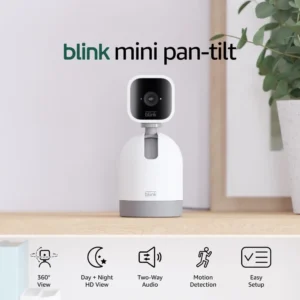
Security and Awareness as a Layer: Move beyond simple camera feeds. A future-proof security ecosystem is layered and proactive. It combines smart locks with keypad and temporary virtual key capabilities, motion-detecting glass-break sensors, water leak detectors in critical areas (basement, under sinks, near water heaters), and smart smoke/CO detectors. The intelligence comes from automation: a “Goodnight” scene can lock all doors, close the garage, arm motion sensors, and activate leak detection. If a water leak is detected, the system can automatically shut off the main water valve via a smart shut-off device. This proactive protection safeguards your home’s physical structure—a paramount long-term value.
-
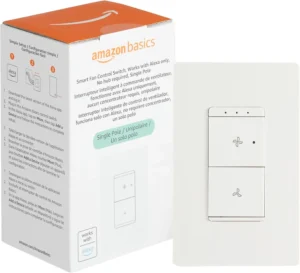
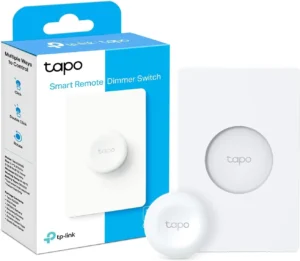
Adaptive Lighting and Wellness: Smart lighting transcends app-controlled bulbs. Future-proofing involves installing smart switches and dimmers (like Inovelli, Lutron) at the wall box. These provide permanent control while enabling automated scenes. Layer in adaptive circadian lighting that automatically adjusts color temperature throughout the day—cool, alerting whites in the morning, warm, relaxing tones in the evening. This supports natural sleep cycles and enhances wellbeing. Integrate with motion and ambient light sensors for true “set-and-forget” efficiency, where lights only use energy when and where needed.
The Brain: Local Processing for Privacy, Speed, and Reliability
Cloud-dependent smart homes are vulnerable to internet outages, corporate server decisions, and latency. The pinnacle of future-proofing is local processing. Platforms like Home Assistant, Hubitat, and Apple Home (using HomeKit-enabled devices with a HomePod or Apple TV as hub) can run complex automations entirely within your home network.
A “Good Morning” scene that opens motorized blinds, starts the coffee maker, and adjusts the thermostat triggers instantly and works even if your internet is down. Local processing guarantees pracy, as sensitive data (like video feeds or occupancy patterns) need not traverse external servers. It also ensures longevity; an automation built on a local hub will function indefinitely, independent of whether a cloud service is discontinued. This shift from cloud-reliant to cloud-optional is a fundamental step in owning your smart home’s destiny.
Sustainability and Resilience: The Self-Sufficient Home
A truly future-proof home anticipates external pressures like climate change and energy volatility. Integrating renewable energy sources is a natural extension of a smart ecosystem. Solar panels, paired with smart inverters and home battery storage (like Tesla Powerwall, Generac PWRcell), can be managed by your energy ecosystem. The system can decide to store solar energy, draw from the grid during low-cost periods, or power essential loads during an outage automatically.
Smart irrigation controllers (like Rachio) use hyper-local weather data to skip unnecessary watering. Advanced leak detection preserves a precious resource. These systems contribute to a home that is not only intelligent but also resilient and sustainable, increasing its value in a resource-conscious future.
Designing for Invisibility and Evolution
Technology should enhance daily life, not dominate it. Future-proof design emphasizes invisible integration. This means planning for in-wall wiring (conduit “chases” to key locations makes future cable pulls easy), centralized wiring closets, and strategic placement of outlets (e.g., behind mounted TVs, in cabinets for motorized blinds, near ceilings for access points). Use neutral color palettes for visible devices and prioritize tactile, familiar interfaces like smart switches alongside voice control.
Finally, adopt a mindset of curated evolution. You need not buy every gadget. Start with a robust foundation (network, hub, core subsystems) and add intentionally. Regularly review and prune unused automations or devices. The ecosystem should serve you, not the other way around. By prioritizing open standards, resilient infrastructure, local control, and high-impact, durable upgrades, you build a home that is not merely smart for today, but intelligently adaptable for the decades to come, safeguarding your investment, your comfort, and your peace of mind.