Understanding the Smart Home on a Budget
The perception that home automation requires a massive financial investment is a common misconception. The reality is that a strategic, phased approach using highly affordable devices can deliver significant convenience, security, and energy savings without straining your wallet. The key lies in prioritizing foundational gadgets that offer the highest utility per dollar and create a scalable ecosystem.
The Foundational Pillar: A Smart Speaker or Display
Your journey begins with a central hub for voice control, and here, cost-effectiveness is paramount. A basic Amazon Echo Dot or Google Nest Mini is frequently available for under $30, especially during sales events. This single device transforms your interaction with your home. It allows you to control all other compatible gadgets by voice, set timers, manage shopping lists, stream music, and access a vast library of information. For a slightly higher investment, a smart display like the Echo Show 5 or Nest Hub adds a visual element for video calls, recipe viewing, or doorbell camera feeds, acting as a command center for your nascent smart home.
Illumination: Smart Bulbs and Plugs
Lighting control offers the most noticeable immediate impact. Instead of replacing every bulb, start with a multi-pack of smart bulbs for key areas like the living room lamps or bedroom. Brands like Wyze, Kasa (TP-Link), and Sengled offer reliable, color-changing bulbs for under $15 each, with multi-packs driving the cost down further. They connect directly to your Wi-Fi, require no additional hub, and can be scheduled to turn on at sunset, wake you up gently, or set moods.
For even greater flexibility, smart plugs are arguably the most versatile and cost-effective entry point, often costing between $10-$20 per unit. These devices turn any “dumb” appliance into a smart one. Plug in a standard lamp, fan, coffee maker, or space heater, and you gain remote on/off control, scheduling, and energy monitoring. Use a smart plug to ensure you never accidentally leave an iron on, or to have your coffee brewing before you get out of bed.
Climate and Comfort: Smart Thermostats and Sensors
Energy savings directly offset costs, making a smart thermostat a financially savvy early purchase. The Google Nest thermostat or Ecobee SmartThermostat (often available with utility company rebates) learn your schedule and adjust heating and cooling for efficiency. Remote control via your phone prevents wasting energy when you’re away and can deliver substantial savings on your utility bills, often paying for itself within a season or two.
Complement this with inexpensive temperature/humidity sensors from brands like Govee or SensorPush (around $10-$15). Placed in sensitive areas like a baby’s room, a wine cellar, or a basement, they can alert you to conditions that might require a dehumidifier or space heater, preventing mold or pipe freeze damage.
Security and Peace of Mind: Cameras and Sensors
Affordable security is a major driver for smart home adoption. A Wi-Fi indoor security camera like the Wyze Cam or Tapo C200 provides high-definition live streaming, motion-triggered recording, two-way audio, and person detection for well under $40. Place one to keep an eye on pets, check on children, or monitor a package delivery area.
For entry-point monitoring, smart contact sensors for doors and windows are a low-cost revelation. Aqara and Tuya-based sensors, often requiring a modest hub (around $20-$30 for a starter kit), can be installed in minutes. Receive instant alerts if a door is opened unexpectedly, automate lights to turn on when you arrive home, or get a notification if a medicine cabinet or backyard gate is accessed.
Automation and Routines: The True Power
The magic of a smart home isn’t in individual devices, but in their collaboration through automations and routines. These are simple “if this, then that” rules set within your chosen app (Amazon Alexa, Google Home, or Apple Home). These cost nothing to create but exponentially increase convenience.
- A “Good Morning” Routine: Your alarm goes off, triggering your bedroom lights to turn on at 10%, your smart plug on the coffee maker to activate, and your thermostat to adjust to a daytime temperature.
- A “Goodnight” Routine: Saying “Alexa, goodnight” locks your smart lock (if you have one), turns off all downstairs lights, arms your security sensors, and sets the thermostat to an eco-friendly temperature.
- An “Away” Routine: Leaving the house triggers your robot vacuum (a later upgrade) to start cleaning, all lights turn off, and cameras activate their motion alerts.
The Budget-Conscious Ecosystem: Wi-Fi vs. Hubs
To minimize upfront costs, prioritize Wi-Fi-based devices from brands like Kasa, Wyze, and Govee. They connect directly to your home network without an extra hub. However, as you expand, a dedicated hub using protocols like Zigbee or Z-Wave (like a Samsung SmartThings hub or an Aqara hub) becomes advantageous. Hub-based devices create a separate, more reliable mesh network that is less congested than Wi-Fi, often have longer battery life for sensors, and enable more complex local automations. Start with Wi-Fi, but plan your purchases with future hub compatibility in mind for scalability.
Advanced Budget Upgrades: Robot Vacuums and Smart Locks
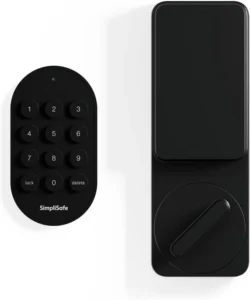
Once the basics are covered, consider these higher-impact upgrades that still offer strong value. A budget robot vacuum from Eufy or Roborock (in the $200-$300 range) automates a tedious chore, saving you time weekly. A smart lock from brands like Wyze or August provides keyless entry, remote locking, and temporary virtual keys for guests or service people, enhancing both convenience and security without full lock replacement costs.
Critical Implementation Tips for Cost Savings
- Phased Expansion: Buy for a specific need, not a vague future. Master one room before moving to the next.
- Utilize Sales: Prime Day, Black Friday, and holiday sales offer deep discounts on core smart home products.
- Research Compatibility: Before purchasing, verify the device works with your chosen voice assistant (Alexa, Google Assistant, Siri) to ensure a unified experience.
- Check for Rebates: Many energy providers offer instant rebates on smart thermostats and efficient smart plugs.
- Prioritize Reliability: A $10 gadget that frequently disconnects is a poor value. Read reviews focusing on stability and app quality.
- Strong Wi-Fi is Non-Negotiable: Ensure you have robust Wi-Fi coverage, especially for devices in far corners of your home. A mesh Wi-Fi system, while an investment, can be a foundational upgrade that improves all connected devices.
Avoiding Common Budget Pitfalls
Steer clear of proprietary ecosystems that don’t play well with others unless they solve a very specific problem. Resist buying novelty items (like a smart egg tray) before securing the essentials. Be mindful of subscription costs; some cameras require monthly fees for advanced video storage or recognition features. Opt for devices that offer useful functionality without a mandatory ongoing fee.
The path to a smart home is a marathon, not a sprint. By strategically selecting these high-value, low-cost entry points—a voice assistant, smart plugs, a few bulbs, a camera, and some sensors—you build a robust, automated foundation. This approach delivers immediate, tangible benefits that justify the minimal expenditure and creates a flexible framework upon which you can confidently build a more comprehensive and integrated automated home over time, always ensuring that each new gadget adds genuine value and aligns with your budget-conscious goals.