The Core Question: Does It Solve a Real Problem or Create One?
The first and most critical filter is identifying the core utility. A genuine smart gadget addresses a pre-existing pain point or significantly enhances a routine in a way its “dumb” counterpart cannot. Scrutinize your daily life. Is the problem it solves frequent and frustrating, or a minor, occasional nuisance? A smart lock that grants keyless entry to a family with children who often forget keys solves a real problem. A smart fork that vibrates when you eat too fast often creates a layer of unnecessary complexity. Ask: Would I use this daily or weekly? Does it automate a tedious task, provide essential data I lack, or offer a unique capability? If the primary appeal is novelty or the “cool factor,” its place in your life will likely be fleeting.
Interoperability: The Silent Ecosystem War
A gadget’s intelligence is often defined by its connections. Before purchasing, investigate its ecosystem compatibility. Does it work seamlessly with your existing devices? A smart light bulb is far more valuable if it integrates with your preferred voice assistant (Google Assistant, Alexa, Siri) and your chosen smart home platform (Apple Home, Google Home, Samsung SmartThings). Proprietary systems that lock you into a single brand can become expensive and limiting. Prioritize devices that support open standards like Matter, which promises universal compatibility across ecosystems. Check for robust IFTTT (If This Then That) support, which allows for creative cross-platform automation. A gadget that operates as a solitary island loses most of its “smart” potential.
The Data and Privacy Interrogation
Smart functionality is typically fueled by data—your data. Conduct a privacy audit of the manufacturer. What information does the device collect? Where is it processed (on the device/edge computing or in the cloud)? Who has access to it, and is it sold or shared with third parties? Read the Privacy Policy, not just the marketing copy. Look for devices with clear, user-accessible privacy controls, such as local-only processing options that keep data within your home network. Companies with a strong track record on privacy and transparent data practices should be favored. Remember, if the product is free, you are the product. For paid gadgets, a high price should correlate with robust data stewardship.
Longevity and the Update Lifespan
Tech obsolescence is a major risk. Investigate the company’s software support history. How long have previous models received firmware updates and security patches? A gadget is a long-term investment in both money and its place in your home infrastructure. A device abandoned by its manufacturer becomes a security vulnerability and may lose functionality as platforms evolve. Look for brands with a published commitment to minimum support periods. Open-source platforms or devices with strong community support can sometimes outlive their corporate backing. Avoid gadgets from fly-by-night startups without a proven update track record.
The True cost analysis: Beyond the Price Tag
The sticker price is just the beginning. Calculate the Total Cost of Ownership. Does the device require a paid subscription to unlock core features? Many smart security cameras, for example, relegate video history to a monthly fee. Are consumables expensive (e.g., proprietary cleaning solutions for robot mops)? Does it increase your energy bill significantly? Furthermore, consider the replacement cost of proprietary batteries or non-standard parts. A cheap initial price can mask a long-term financial drain. Weigh this against the tangible value it provides. A subscription for a vital health-monitoring service may be justified; one for basic appliance functionality often is not.
User Experience: The Interface is the Product
A smart gadget with a clunky app or unreliable connectivity is a source of constant frustration. Read in-depth reviews focusing on real-world user experience. Is the setup process intuitive or a multi-hour ordeal? Is the companion app well-designed, responsive, and stable? How is the latency for commands? Voice control that takes three seconds to respond feels broken. Look for mentions of connectivity drops, false alerts, or laggy controls. The hardware is only half the product; the software and connectivity are what make it “smart.” A beautifully designed physical device paired with a terrible app is a failure.
Build Quality and Repairability
Assess the device’s physical construction and longevity. Is it made from durable materials suited to its environment? A smart outdoor sensor needs to be weatherproof. Check for iFixit-style repairability scores if available. Can the battery be replaced? Is the device sealed shut, destined for the landfill at the first fault? Companies that design for repair demonstrate a commitment to sustainability and consumer value. A slightly higher upfront cost for a solid, repairable device is often wiser than buying a disposable one.
The “Feature Bloat” Versus “Core Function” Test
Marketing sheets are filled with endless features. Distinguish between essential functions and gimmicks. A smartwatch that tracks heart rate, GPS, and notifications has core utility. One that also tries to measure “stress” through dubious metrics may be inflating its price for unproven tech. Focus on how well the device performs its primary two or three jobs. A smart oven that perfectly controls temperature and integrates with recipe steps is revolutionary. One that also has a built-in camera you’ll never use adds cost and complexity without proportional benefit.
Research Methodology: Going Beyond the Marketing
Your pre-purchase research must be multi-sourced. Professional Reviews: Seek out detailed, long-term (weeks or months) reviews from reputable tech publications that conduct stress tests. User Reviews: Scour retail sites for patterns in negative feedback—are complaints isolated or systemic (e.g., “Wi-Fi disconnects constantly”)? Community Deep Dives: Explore forums like Reddit or specialized hobbyist sites where enthusiasts discuss workarounds, long-term reliability, and integration tricks. Hands-On Demos: If possible, experience the gadget in a store or borrow from a friend. The feel and responsiveness are hard to gauge online.
The Sustainability and E-Waste Consideration
As a conscious consumer, evaluate the environmental footprint. Is the device energy-efficient? Does the company have a recycling program for its products? Is the packaging excessive or minimalist? Choosing a gadget designed to last for years, rather than be replaced every season, reduces electronic waste. Support companies with clear environmental policies and modular, upgradeable designs. The most sustainable smart gadget is often the one you don’t buy unless it delivers profound, lasting value.
The Final Reality Check: The “Unplugged” Test
Imagine the device without its smart features. Is the underlying product still good? A smart speaker should first and foremost be a good speaker. A smart TV must have excellent picture quality. The “smart” layer should enhance, not define, a fundamentally well-made product. If the core functionality is poor, no amount of connectivity or app control will salvage the experience. This test separates truly innovative designs from mediocre products with a Wi-Fi chip bolted on as an afterthought.
Security: Your Network’s Newest Weakest Link
Every connected device is a potential entry point to your home network. Prioritize gadgets from companies that take security seriously. Do they have a dedicated security team and a clear channel for reporting vulnerabilities? Is the device equipped with hardware security modules? Does it receive regular, timely security updates? Default passwords and unencrypted data transmissions are major red flags. A cheap, no-name smart plug could be the gateway for a broader network intrusion. The security posture of the manufacturer is non-negotiable.
The Automation Potential: From Remote Control to True Intelligence
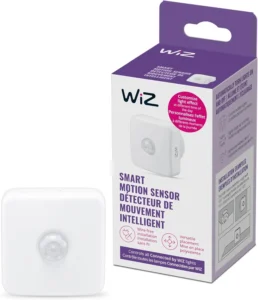
The pinnacle of smart gadget utility is meaningful automation. Evaluate whether the device can act based on triggers from other devices or data. Can it create “if this, then that” routines that genuinely simplify life? For example, a smart thermostat that learns your schedule and adjusts automatically provides more value than one you must constantly adjust via an app. A motion sensor that triggers lights, security cameras, and a thermostat setback creates a cohesive, intelligent system. A gadget that exists only for manual remote control offers only a marginal convenience increase.