Enhanced Deterrence: The Visible Power of Smart Devices
A primary and immediate benefit of integrating Smart Gadgets into your home security strategy is their powerful deterrent effect. Traditional security systems often rely on hidden sensors or a lone alarm panel by the door. Smart security, in contrast, creates a visible and audible ecosystem of protection that actively discourages criminal activity before it begins. Smart video doorbells, with their prominent cameras and two-way audio, signal to anyone approaching that they are being watched and recorded. Outdoor smart cameras, often equipped with motion-activated spotlights and sirens, transform a dark, inviting façade into a well-monitored fortress. Criminals typically seek easy targets; the conspicuous presence of these devices introduces a significant element of risk and uncertainty. Studies and law enforcement surveys consistently indicate that homes with visible security systems are far less likely to be targeted. This layer of psychological deterrence is a 24/7 passive benefit, working silently to keep your property off a potential intruder’s list.
Unprecedented Remote Monitoring and Real-Time Alerts
The cornerstone of smart home security is the ability to know what’s happening at your property, anytime and from anywhere in the world. This transcends the basic alarm notification of a breached door. Smart sensors on windows, doors, garages, and even within rooms provide granular, real-time data. Receive an instant alert on your smartphone the moment your front door unlocks, a window vibrates, or motion is detected in a restricted area like a basement or home office while you’re on vacation. Smart cameras take this further, allowing you to visually verify the cause of an alert. Is the motion in the backyard a trespasser or a wandering deer? A quick glance at a live feed provides the answer, eliminating false alarm anxiety. This capability is invaluable for monitoring deliveries, checking on pets, or ensuring children have arrived home safely from school. The peace of mind derived from this omnipresent awareness is a transformative benefit, effectively shrinking the distance between you and your home.
Intelligent Automation for Proactive Protection
Smart gadgets move beyond simple notification to proactive, automated defense. By creating routines and scenes within a unified smart home ecosystem, your security system can act on your behalf. This is known as “geofencing.” As you leave your home, your smartphone’s location can automatically trigger a “Goodbye” routine: smart locks deadbolt, lights turn off, thermostats adjust, and security cameras arm. Conversely, your “Welcome Home” routine can disarm the interior alarm, turn on entryway lights, and unlock the door as you approach. Motion sensors can be programmed to trigger specific lights to follow movement through a house, simulating occupancy. Smart plugs can randomize the turning on and off of lamps and radios. These automated patterns make a home appear lived-in, a critical deterrent during extended absences. Furthermore, devices like smoke detectors, water leak sensors, and freeze sensors provide proactive protection against non-intruder threats, sending immediate alerts at the first sign of danger, potentially saving hundreds of thousands in property damage.
Seamless Integration and User-Friendly Control
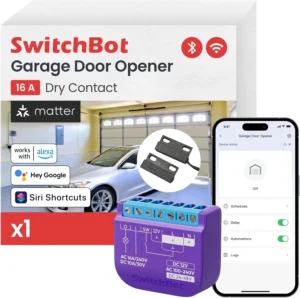
Modern smart security is defined by its accessibility and ease of control. A centralized mobile app serves as a command center, unifying disparate devices—locks, cameras, sensors, alarms, lights—into a single, intuitive interface. There is no need to fumble with multiple remotes or remember complex codes. Arming your system, viewing camera history, checking the status of a door, or granting temporary access can be accomplished in seconds with a few taps. This integration extends to voice control via assistants like Amazon Alexa, Google Assistant, and Apple Siri, allowing for hands-free commands. “Alexa, lock the front door,” or “Hey Google, show me the backyard camera.” This ease of use encourages consistent engagement with your security system, ensuring it is always active and configured to your current needs. The barrier to comprehensive security is lowered, making advanced protection manageable for everyone, not just tech enthusiasts.
Advanced Verification and Evidence Collection
In the event of a security incident, smart gadgets provide irrefutable, high-quality evidence that is crucial for law enforcement and insurance purposes. High-definition smart cameras, many with night vision and wide-angle lenses, capture clear video footage of perpetrators, their methods, and their vehicles. This evidence is automatically timestamped and uploaded to cloud storage, protecting it from theft or damage to on-site devices. Two-way audio recordings from doorbells or cameras can capture verbal threats or instructions. Access logs from smart locks provide a precise timeline of who entered or left and when. This digital evidence trail significantly increases the likelihood of identifying and apprehending suspects and streamlines the insurance claims process, often leading to faster settlements. The mere existence of this capability also acts as a powerful deterrent, as criminals are aware that their identity and actions are being recorded in detail.
Flexible Access Control and Management
Smart locks revolutionize access to your home, eliminating the vulnerabilities of physical keys. Keys can be lost, stolen, duplicated without permission, or haunt you with worries about how many old copies exist from previous owners or tenants. Smart locks replace this archaic system with digital precision. You can grant temporary, scheduled access codes for house cleaners, dog walkers, or contractors, which automatically expire after their service. Family members can have their own unique codes or use smartphone-based digital keys. You can lock or unlock your door remotely to let in a trusted neighbor or service person, and receive a notification every time the door is used and by which code. For families with teenagers, this provides discreet oversight. Furthermore, the ability to always verify your door is locked via the app eliminates that nagging doubt when you’re away from home. This granular control over entry points fortifies your home’s perimeter with intelligent, adaptable barriers.
Cost-Effectiveness and Insurance Advantages
While there is an initial investment, a smart security system can be remarkably cost-effective over time. Many systems are modular, allowing you to start with a few core devices and expand gradually. This is far more affordable than installing a traditional, hardwired professional system. The DIY nature of most smart gadgets also saves on costly installation fees. Furthermore, the preventative capabilities of leak and freeze sensors can avert catastrophic water damage, potentially saving tens of thousands in repairs. Many homeowners and renters insurance companies recognize the risk reduction offered by smart security and provide premium discounts, typically ranging from 5% to 20%. It is essential to check with your provider, as discounts often require specific features like professionally monitored alarms, central station connectivity for fire/smoke detection, or specific types of locks and cameras. The combination of avoided losses, potential insurance savings, and the preservation of property value makes smart security a financially prudent home investment.
Enhanced Safety for Families and Vulnerable Individuals
Smart security gadgets provide an added layer of safety and connectivity for families, elderly individuals living alone, or those with health concerns. For caregivers, cameras and sensors offer a way to discreetly check on loved ones without being intrusive, ensuring they are moving about safely or have returned home. Medical alert systems can be integrated, and fall detection sensors are becoming more common. For parents, smart security offers tools to monitor children’s comings and goings, ensure they’ve arrived home from school, or alert them if a child opens a door or window during the night. Smart doorbells allow children to see and speak to visitors without opening the door. This dimension of security is about well-being and connection, using technology to create a safer, more responsive living environment for every member of the household, addressing both physical safety and peace of mind for caregivers.