The Core Value Proposition: Convenience, Efficiency, and Security
The primary allure of smart home devices lies in their promise to simplify daily routines. Imagine a home that anticipates your needs: lights that gradually brighten to simulate sunrise, a thermostat that learns your schedule and adjusts to save energy while you’re away, and a coffee maker that starts brewing the moment your morning alarm sounds. This orchestration of tasks, often managed through a single smartphone app or voice command, reclaims mental bandwidth and physical effort. For individuals with mobility challenges or busy professionals, this automated convenience isn’t a luxury; it’s a tangible improvement to quality of life.
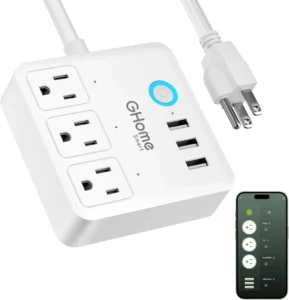
Energy efficiency presents a compelling, quantifiable return on investment. Smart thermostats, like those from Nest or Ecobee, use sensors and learning algorithms to reduce heating and cooling when homes are empty, potentially saving 10-23% on HVAC costs annually. Smart plugs and power strips can eliminate “phantom loads” from electronics in standby mode, while smart lighting with LED bulbs and motion sensors ensures lights are only on when needed. Over time, these savings can offset the initial purchase price of the devices, making them a financially sound decision for the energy-conscious homeowner.
Enhanced security is a major driver for adoption. Smart locks provide keyless entry and the ability to grant temporary access to guests or service providers. Video doorbells and security cameras offer real-time monitoring and motion-triggered alerts, allowing homeowners to verify deliveries or deter package theft. Integrated smart home security systems can automate routines: turning on all lights if a sensor is triggered, or locking all doors with a single “Goodnight” command. This layered, controllable security offers peace of mind that traditional systems often cannot match.
The Hidden Costs and Considerations: Beyond the Sticker Price
The initial device purchase is merely the entry fee. A robust and reliable Wi-Fi network is the backbone of any smart home. Older routers may struggle with the constant data flow from dozens of connected devices, necessitating an upgrade to a mesh network system for full-home coverage. This represents a significant, often overlooked, upfront cost.
Interoperability remains a persistent challenge. The market is divided between major ecosystems like Amazon Alexa, Google Assistant, and Apple HomeKit. While many devices claim “works with Alexa/Google,” seamless integration and advanced automation often require sticking within one brand’s ecosystem or using a central hub like Samsung SmartThings or Home Assistant. This can lead to vendor lock-in, limiting future choices.
Privacy and data security are non-negotiable considerations. Smart devices collect vast amounts of data about your daily habits—when you wake, when you leave, what you watch, and even what you say. This data is often stored on company servers. It is imperative to research a manufacturer’s data policies, enable strong, unique passwords and two-factor authentication, and regularly update device firmware. A compromised smart lock or camera is a severe security breach.
Long-term sustainability involves both software and hardware. Manufacturers may discontinue support for older devices, leaving them vulnerable or non-functional. The physical lifespan of these gadgets, often containing non-replaceable batteries, raises concerns about electronic waste. Investing in devices from reputable companies with a track record of long-term support is crucial.
A Practical Room-by-Room Investment Strategy
Not every room needs to be “smart.” A targeted approach maximizes value and minimizes complexity.
- Living Room & Entertainment: Smart speakers (Amazon Echo, Google Nest Audio) serve as central voice controllers. A smart TV or streaming device adds convenience, while smart plugs can control lamps or non-smart fixtures. A universal remote like the Logitech Harmony (now discontinued but still relevant in concept) or its successors can consolidate control. Verdict: High value for convenience and entertainment.
- Kitchen: Smart speakers for hands-free timers and recipes are useful. Smart appliances like ovens you can preheat remotely or refrigerators that track expiry dates offer niche benefits but at a high premium. Verdict: Start with a speaker; high-end smart appliances are a luxury, not a necessity.
- Bedroom: Smart lighting for wake-up routines, smart blinds, and basic smart plugs for fans or lamps offer clear benefits for comfort and routine. Sleep sensors and smart alarms can provide data-driven insights. Verdict: Moderate to high value for improving sleep hygiene and morning routines.
- Entrances & Security: Smart locks, video doorbells, and outdoor security cameras are among the highest-value investments. They provide security, convenience, and tangible peace of mind. Verdict: Very high value, often with the clearest immediate return.
- Utilities & Environment: Smart thermostats and leak detectors are proactive, money-saving devices. A smart thermostat pays for itself, while a $50 leak sensor can prevent thousands in water damage. Verdict: Very high value for protection and efficiency.
Making the Decision: Key Questions to Ask
Before purchasing, conduct an honest self-assessment:
- What specific problem am I solving? Is it saving money on bills, increasing security, or simply adding convenience? Avoid buying tech for tech’s sake.
- What is my technical comfort level? Are you prepared to troubleshoot connectivity issues, manage apps, and update software?
- What is my total budget, including hidden costs? Account for potential Wi-Fi upgrades, subscription fees for cloud storage (e.g., for camera footage), and future device additions.
- How does this device fit into my desired ecosystem? Will it work seamlessly with my existing devices, or will it require another separate app?
- What are the manufacturer’s privacy and security policies? Read the fine print regarding data collection and usage.
The Evolution from Gadgets to Integrated System
The true “smart home” potential is unlocked not by individual devices, but by their integration. This is achieved through routines and automation. For example, a “Good Morning” scene might turn up the heat, open the blinds, start the coffee maker, and read out your calendar. A “Leaving Home” command can lock doors, turn off all lights, adjust the thermostat, and arm the security system. This automation, where the home acts intuitively, is where the investment truly pays off in daily time and cognitive load saved.
The market continues to mature, with a growing emphasis on the Matter standard—a unified, open-source connectivity protocol championed by Apple, Google, Amazon, and others. Matter aims to solve the interoperability nightmare, ensuring devices from different brands work together reliably. For new buyers, prioritizing “Matter-over-Thread” compatible devices future-proofs investments and promises a more cohesive experience.
Ultimately, the worth of smart home devices is not universal. It is a deeply personal calculation weighing tangible benefits against tangible costs and intangible risks. For the pragmatic adopter, starting with a high-impact, single-purpose device like a smart thermostat or video doorbell provides a low-risk trial. The gradual, intentional building of a connected ecosystem—one that solves real problems, respects privacy, and enhances daily life without adding complexity—is the path to realizing a valuable return on this modern investment. The smart home is not about having the most gadgets; it’s about creating a home that works intelligently for you, on your terms.