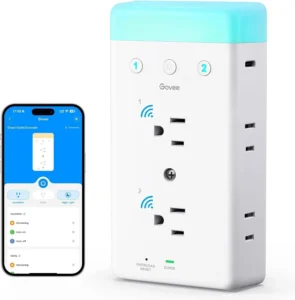
The smart home, once a fragment of science fiction, is now a tangible reality woven into the fabric of modern living. From voice-activated assistants that control the lighting to refrigerators that create shopping lists, the promise is a life of seamless automation and unprecedented convenience. Yet, beneath the glossy surface of this connected utopia lies a complex triad of considerations: the undeniable allure of convenience, the ever-present specter of privacy erosion, and the significant, often hidden, financial investment required. Navigating this landscape requires a clear-eyed assessment of what is gained, what is potentially lost, and what is spent.
The Unmatched Allure of Convenience and Control
The primary driver of smart home adoption is the profound convenience it offers. This manifests in several key areas that tangibly improve daily routines.
- Automated Efficiency: Smart ecosystems excel at removing mundane tasks. Smart thermostats like Nest or Ecobee learn schedules and preferences, optimizing heating and cooling for comfort and energy savings, often paying for themselves over time. Robotic vacuums map and clean floors autonomously. Smart irrigation systems adjust watering based on local weather forecasts. This automation creates a home that actively works to maintain itself.
- Centralized Command and Voice Control: The ability to control disparate devices from a single smartphone app or through simple voice commands is transformative. Turning off all lights, locking doors, and adjusting the thermostat can be done from bed or while miles away. For individuals with mobility challenges, this level of voice-activated control over the environment is not merely convenient but empowering.
- Enhanced Security and Peace of Mind: Smart security systems offer real-time alerts and remote monitoring far beyond traditional alarms. Video doorbells provide visual verification of visitors. Smart locks allow for keyless entry and the creation of temporary virtual keys for guests or service personnel. Leak sensors can alert homeowners to a burst pipe before catastrophic damage occurs, and smart smoke detectors provide detailed alerts. This creates a proactive security and maintenance shield.
- Personalized Ambiance and Entertainment: Smart homes cater to lifestyle and leisure. Smart lighting systems can simulate natural circadian rhythms, boost focus, or set a relaxing mood with customizable colors and scenes. Multi-room audio systems allow for seamless music playback throughout the home. Entertainment systems can be programmed for “movie night,” dimming lights and lowering blinds with a single command.
The Persistent Shadow: Privacy and Security Vulnerabilities
The very connectivity that enables convenience also creates significant vulnerabilities. A smart home is a data-generating entity, and that data is a valuable commodity.
- Data Collection and Surveillance Capitalism: Most smart devices collect vast amounts of data on user habits—when you wake up, when you leave, what you watch, what you eat, even the tone of conversations near always-listening devices. This data is often aggregated, anonymized, and sold to third parties for advertising, market research, or more nebulous purposes. The home, traditionally a private sanctuary, becomes a node in a vast data-collection network.
- The Hacking Threat and “Botnet” Risk: Insecure internet of things (IoT) devices are notorious weak points in home networks. A poorly secured smart camera, thermostat, or even light bulb can be hijacked by malicious actors. These compromised devices can be used to spy on inhabitants, launch Distributed Denial-of-Service (DDoS) attacks as part of a “botnet,” or serve as a backdoor to more sensitive data on computers and phones. The attack surface expands with every new connected device.
- Third-Party Access and Law Enforcement: Privacy policies are often opaque. Data may be shared with (or accessible by) device manufacturers, software partners, and internet service providers. There is also the potential for law enforcement or government agencies to request access to data streams from smart devices, such as voice assistant recordings or smart meter data, sometimes without a traditional warrant, raising profound civil liberty questions.
- Device Obsolescence and Abandonment: The tech industry’s rapid pace can render devices obsolete quickly. When manufacturers stop providing critical security updates, these “abandoned” devices become permanent vulnerabilities in the home network, yet continue to operate and collect data. This planned obsolescence forces a cycle of replacement, compounding both privacy and cost concerns.
The Financial Equation: Unpacking the True Cost of Connectivity
The sticker price of a smart device is merely the entry fee. The full financial picture involves multiple layers of ongoing expenditure.
- The Premium of Smart Hardware: Smart versions of common appliances and devices carry a significant markup compared to their “dumb” counterparts. A standard light bulb costs a few dollars; a smart bulb with equivalent brightness can cost ten to twenty times more. This premium applies across categories: locks, plugs, thermostats, and major appliances.
- The Ecosystem “Lock-In” and Compatibility: Many leading brands create walled gardens. Apple HomeKit, Google Home, and Amazon Alexa ecosystems often work best, or exclusively, with certified devices. Choosing a platform can lead to vendor lock-in, limiting future choices and potentially increasing costs as you are compelled to buy compatible accessories. Universal standards like Matter aim to solve this but are not yet fully ubiquitous.
- Subscription Services: The Recurring Revenue Model: True functionality is often gated behind monthly or annual subscriptions. Comprehensive video storage for security cameras, advanced features for security systems, and full functionality for smart appliances frequently require ongoing fees. These subscriptions can add hundreds of dollars to annual household expenses, transforming a one-time purchase into a perpetual financial commitment.
- Hidden Costs: Network and Power Infrastructure: A robust smart home demands a strong, secure Wi-Fi network, often necessitating a mesh network system to eliminate dead zones. It also increases electricity consumption, as even idle smart devices draw “vampire power” while listening for commands or maintaining a cloud connection. Furthermore, the time investment for setup, troubleshooting, and managing digital life is a non-monetary but real cost.
Strategies for a Balanced Smart Home
Informed consumers can adopt strategies to maximize benefit while mitigating risks.
- Prioritize and Segment: Adopt a minimalist approach. Only automate what truly enhances your life. Consider segmenting your network using a guest network or VLAN to isolate IoT devices from computers and phones containing sensitive data.
- Invest in Security and Research Brands: Choose devices from reputable companies with a clear track record of providing regular, long-term security updates. Before purchase, research the device’s data policies, what information it collects, and where that data is sent. Change default passwords immediately and enable multi-factor authentication wherever possible.
- Calculate Total Cost of Ownership: Look beyond the initial price. Factor in any necessary subscriptions, potential costs for a network upgrade, and the expected lifespan of the device before it loses support. Weigh the convenience against this total multi-year cost.
- Favor Local Control and Open Standards: Seek out devices that offer local processing and control, meaning they can function without a constant cloud connection. Support devices and hubs that utilize emerging open-source or universal standards like Matter and Thread, which promote interoperability and can reduce dependency on a single corporate ecosystem.
The decision to integrate smart technology is deeply personal. For some, the time saved and the enhanced control justify the financial outlay and demand for vigilance. For others, the potential privacy trade-offs and ongoing costs are too great a burden. There is no universal answer, only an informed choice made at the intersection of personal value, risk tolerance, and budget. The smart home is not a binary destination but a spectrum of adoption, where each individual must draw their own line between the automated future and the preserved sanctity of private life. The most intelligent home may ultimately be the one whose technology serves the inhabitant consciously, deliberately, and securely, rather than one that merely reacts to a voice command.