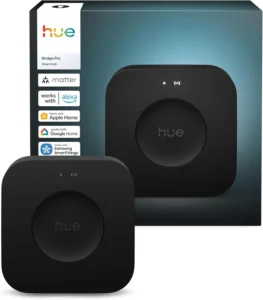
1. The Smart Speaker & Hub: Your Voice-Activated Command Center
The cornerstone of any modern smart home is a robust smart speaker. Devices like the Amazon Echo (with Alexa), Google Nest Audio (with Google Assistant), or Apple HomePod mini (with Siri) function as far more than music players. They are the central nervous system, allowing you to control a vast ecosystem of other devices using simple voice commands. Beyond playing podcasts and setting timers, a smart hub can answer queries, broadcast messages to other rooms, and create routines. Imagine a “Good Morning” routine that, upon a single command, gradually turns on your lights, reads the day’s headlines, starts your coffee maker, and provides the weather forecast. This seamless integration and hands-free operation eliminate countless small physical interactions, streamlining the start and end of your day.
2. Smart Thermostat: Intelligent Climate Control for Comfort & Savings
A smart thermostat, such as the Nest Learning Thermostat or Ecobee SmartThermostat, transcends simple programmable temperature settings. These devices learn your schedule and preferences, automatically adjusting heating and cooling to optimize comfort when you’re home and save energy when you’re away. Using geofencing, they can detect your smartphone’s location to pre-warm or pre-cool your house for your arrival. Detailed energy reports provide insights into your consumption, often leading to significant reductions in utility bills. The ability to adjust the temperature from your phone while lying in bed or while on vacation offers unparalleled convenience and peace of mind, making it one of the most financially and environmentally rewarding smart home investments.
3. Smart Lighting System: Ambiance, Security, and Efficiency
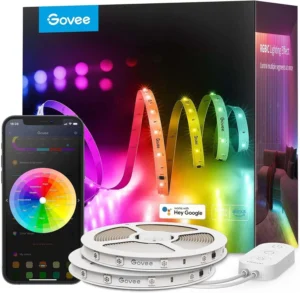
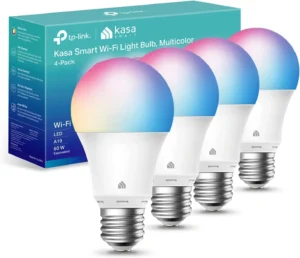
Smart lighting, led by brands like Philips Hue, LIFX, and Nanoleaf, revolutionizes your relationship with home illumination. It begins with simple scheduled on/off times for security or convenience but expands into dynamic scene creation. You can set a “Movie Night” scene that dims the lights to a specific warm hue, a “Concentrate” scene with bright, cool white light for focus, or a color-changing party mode. Motion sensors can trigger pathway lighting at night. Integration with your smart speaker allows for voice-controlled dimming or color changes. The granular control over every bulb’s intensity and color temperature can positively affect mood, productivity, and even sleep patterns by aligning with your circadian rhythm.
4. Smart Doorbell & Lock: Keyless, Secure Entry
The smart doorbell, exemplified by Ring and Google Nest Doorbell, is a powerful security and convenience tool. It provides real-time video and two-way audio with anyone at your door, whether you’re in the kitchen or across the country. Motion-activated alerts and package detection inform you of deliveries or suspicious activity. Paired with a smart lock (from brands like August or Yale), you create a seamless entry system. Grant temporary, scheduled digital keys to cleaners, guests, or dog walkers. Automatically lock the door at a certain time each night. Use geofencing to unlock the door as you approach with arms full of groceries. This combination eliminates the anxiety of lost keys, missed packages, and unanswered doors.
5. Smart Plugs: Instant, Affordable Automation
For those dipping their toes into smart home technology, smart plugs are the perfect entry point. These inexpensive devices, from brands like TP-Link Kasa and Wyze, turn any “dumb” appliance into a smart one. Plug in a lamp, coffee maker, fan, or space heater, and suddenly you can control it via an app or voice. Schedule your coffee maker to start brewing at 7:00 AM, set a floor lamp to turn on at sunset for security, or turn off a forgotten curling iron remotely. They require no installation beyond plugging them in, making them an exceptionally accessible way to add automation, reduce “vampire” energy drain, and bring intelligence to older appliances.
6. Robot Vacuum & Mop: The Ultimate Time-Saver
Once a novelty, robot vacuums like those from iRobot (Roomba), Roborock, and Ecovacs have become essential cleaning appliances. Advanced models use laser mapping (LiDAR) to navigate your home efficiently, creating customizable cleaning zones and no-go lines in their app. You can schedule daily cleans for high-traffic areas, ensuring your floors are consistently tidy without lifting a finger. Higher-end models also feature self-emptying bases that hold weeks of debris, and mopping capabilities that use vibrating or rotating pads for a deeper clean. This gadget reclaims hours per week previously spent on a tedious chore, fundamentally improving daily life by maintaining a baseline of cleanliness effortlessly.
7. Smart Air Purifier & Quality Monitor
indoor air quality has a direct impact on health, sleep, and comfort. A smart air purifier from companies like Dyson, Blueair, or Coway takes a proactive approach. Connected models monitor particulate matter (PM2.5), volatile organic compounds (VOCs), and humidity in real-time, automatically adjusting their fan speed to cleanse the air when pollutants are detected. You can view historical air quality data, set schedules, and receive filter replacement reminders. For a more comprehensive view, standalone air quality monitors like the Awair or Airthings View Plus can track CO2 levels, radon, and other factors, providing data to inform ventilation habits. This creates a healthier living environment, especially beneficial for allergy sufferers.
8. Smart Kitchen Appliances: Precision Cooking & Management
The kitchen is ripe for smart innovation. A smart refrigerator, like those from Samsung or LG, can feature internal cameras to check contents remotely, track expiration dates, and even suggest recipes based on what’s inside. Smart ovens, such as the June Oven or Brava, use internal cameras and food recognition to cook meals perfectly, automatically adjusting time and temperature. Smart sous-vide circulators (Anova, Joule) enable restaurant-quality precision cooking from your phone. Even smart coffee makers (like those from Smarter or Behmor) can grind beans and brew on a schedule or voice command. These gadgets reduce food waste, eliminate guesswork, and streamline meal preparation.
9. Smart Sleep System: Data-Driven Rest Optimization
Quality sleep is foundational to daily life. Smart sleep technology goes beyond basic sleep tracking. Systems like the Eight Sleep Pod Pro cover use biometric sensors and thermal regulation to actively improve sleep. The cover tracks heart rate, respiratory rate, and sleep stages, while its core feature—dynamic temperature control—can warm your side of the bed before bedtime and cool it throughout the night to maintain optimal sleep temperature. It provides a detailed “Sleep Fitness” score and insights. Similarly, smart alarms (often integrated into fitness trackers or standalone devices like Philips SmartSleep) use sleep stage monitoring to wake you during a period of light sleep within a set window, leading to a more natural, grogginess-free awakening.
10. Smart Irrigation Controller & Soil Sensor
For homeowners, maintaining a garden can be water-intensive and time-consuming. A smart irrigation controller, such as Rachio or Orbit B-hyve, connects to your existing sprinkler system and uses hyper-local weather data to automatically adjust watering schedules. It skips cycles when it rains, accounts for evaporation rates, and can be controlled entirely from a smartphone. When paired with wireless soil moisture sensors placed in garden beds, the system waters only when the plants actually need it, preventing overwatering and promoting healthier roots. This gadget conserves a vital resource, saves money on water bills, and ensures your lawn and garden thrive with minimal manual intervention.